Recent content

Una llamada del Grupo de Córdoba para la coherencia y acción en seguridad alimentaria y cambio climático

A principios de octubre del 2009, el Grupo de Córdoba –un pequeño grupo de expertos independientes sobre alimentación y agricultura (incluyendo a dos Relatores Especiales de las Naciones Unidas sobre el Derecho a la Alimentación, el primero y el actual) que se ha venido reuniendo durante los dos últimos años– publicó un breve análisis sobre el estado de la gobernanza global en alimentación y agricultura, y sobre la necesidad de colocar el Derecho a la Alimentación y los intereses de los campesinos y productores de pequeña escala en el centro de los debates sobre alimentación y cambio climático. El informe del Grupo se distribuyó ampliamente en la sesión del Comité de Seguridad Alimentaria Mundial de Naciones Unidas que se reunió a mediados de octubre, y está influyendo tanto en las deliberaciones en torno a la Cumbre Mundial sobre la Alimentación que se realizará en noviembre 2009, como en la Conferencia de Naciones Unidas sobre Cambio Climático en diciembre. A continuación, el informe, titulado “Una llamada del Grupo de Córdoba.”

El Grupo de Córdoba está formado por expertos con amplia experiencia en agricultura,
hambre, agro-biodiversidad y derechos humanos, convocados a título personal por
la Cátedra de Estudios sobre Hambre y Pobreza, que es una iniciativa conjunta de
la Universidad y la Diputación de Córdoba, España.

A Call from the Cordoba Group for Coherence and Action on Food Security and Climate Change

At the beginning of October 2009, the Córdoba Group -- a small gathering of independent food and agrocultural specialists (including the first and current UN Special Rapporteurs on the Right to Food) that have been meeting over the past two years -- published a brief (two-page) analysis of the state of global governance around food and agriculture and of the need to place the Right to Food and the interests of peasant producers at the center of the food and climate debate. The Group’s report was widely distributed at the UN Committee on World Food Security that met in mid-October and is influencing deliberations around both the World Food Summit in November and the December Conference in Copenhagen on Climate Change.

The Cordoba Group is formed by senior experts on hunger, agriculture, agrobiodiversity and human rights, convened in his/her personal capacities by the Chair of Hunger and Poverty Studies, a joint initiative by the University and the Diputacion of Cordoba, Spain.

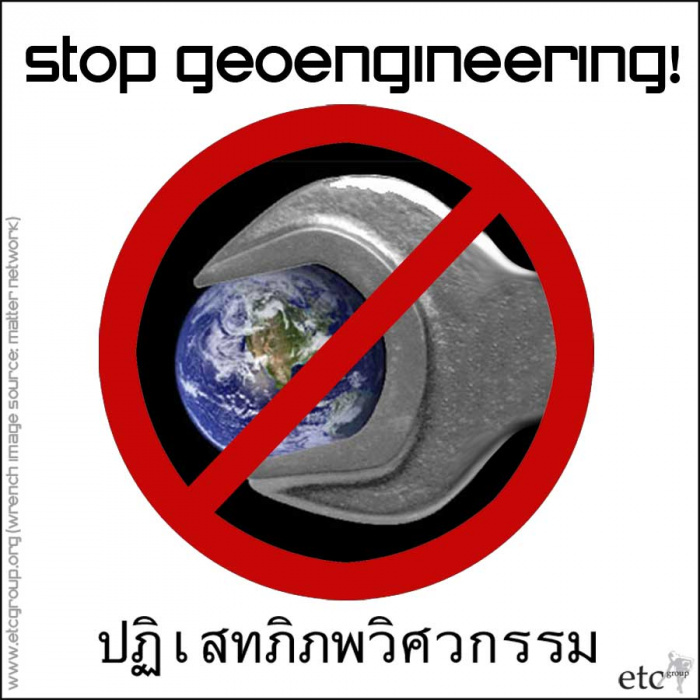
Geoengineering: Plan B for when Copenhagen fails?

Geoengineering: Plan B for when Copenhagen fails?
Español

"We cannot solve our problems with the same thinking we used when we created them" - Albert Einstein. As global climate negotiations in Barcelona enter into the last week of talks before December’s Copenhagen summit, there continues to be more aggravation than agreement amongst negotiators.

Who Will Feed Us? Questions about the food and climate crisis - 2009

Questions for the Food and Climate Crises

By 2050, or much sooner, we will be growing food under climatic conditions we’ve never seen before and learning that “normal” weather is an illusive fiction. Yet, we are told that global land grabs and plantations of agrofuels are a “win-win.” The truth is that policymakers don’t know enough about our food supply. We don’t know where our food comes from and we don’t know who is feeding the hungry today. We have absolutely no idea who will feed us in 2050. This report raises more questions than answers. It begins with a comparison of the likelihood of the industrial food chain and the peasant food web getting us through climate chaos.

Maicidio racista

Maicidio racista
Español

Silvia Ribeiro*

La autorización del gobierno para sembrar maíz transgénico en México es un crimen de proporciones históricas. Un puñado de funcionarios que están en su puesto por unos pocos años cargaron contra 10 mil años de trabajo colectivo de millones de campesinos e indígenas que crearon y cuidaron el maíz –uno de los cuatro granos bases de la alimentación mundial–, solamente para favorecer a unas pocas trasnacionales. La desproporción entre quienes tomaron esta decisión, lo que está en juego y quienes sufrirán sus consecuencias es abismal.

Report Card from Reform School

The Committee on World Food Security Passes a Test, but…

The food and fuel crisis that only became apparent to OECD governments in early 2008 arrived as the Rome-based UN agencies (FAO, WFP, IFAD) were responding to external and internal evaluations that found all three organizations wanting. Most severely criticized was FAO (Food and Agriculture Organization).

Cerdos climáticos

Cerdos climáticos
Español

Silvia Ribeiro*

Mientras el planeta se sigue calentando y el caos climático aumenta, las negociaciones sobre el tema en Naciones Unidas van de mal en peor. Reunidos a principios de octubre en Bangkok, Tailandia, para discusiones preparatorias de la decimoquinta Conferencia de las Partes de la Convención Marco sobre Cambio Climático de Naciones Unidas (que sesionará en Copenhague en diciembre), el ambiente no puede estar más tenso ni más caliente, en todo sentido.

Páginas

Suscribirse a Recent content